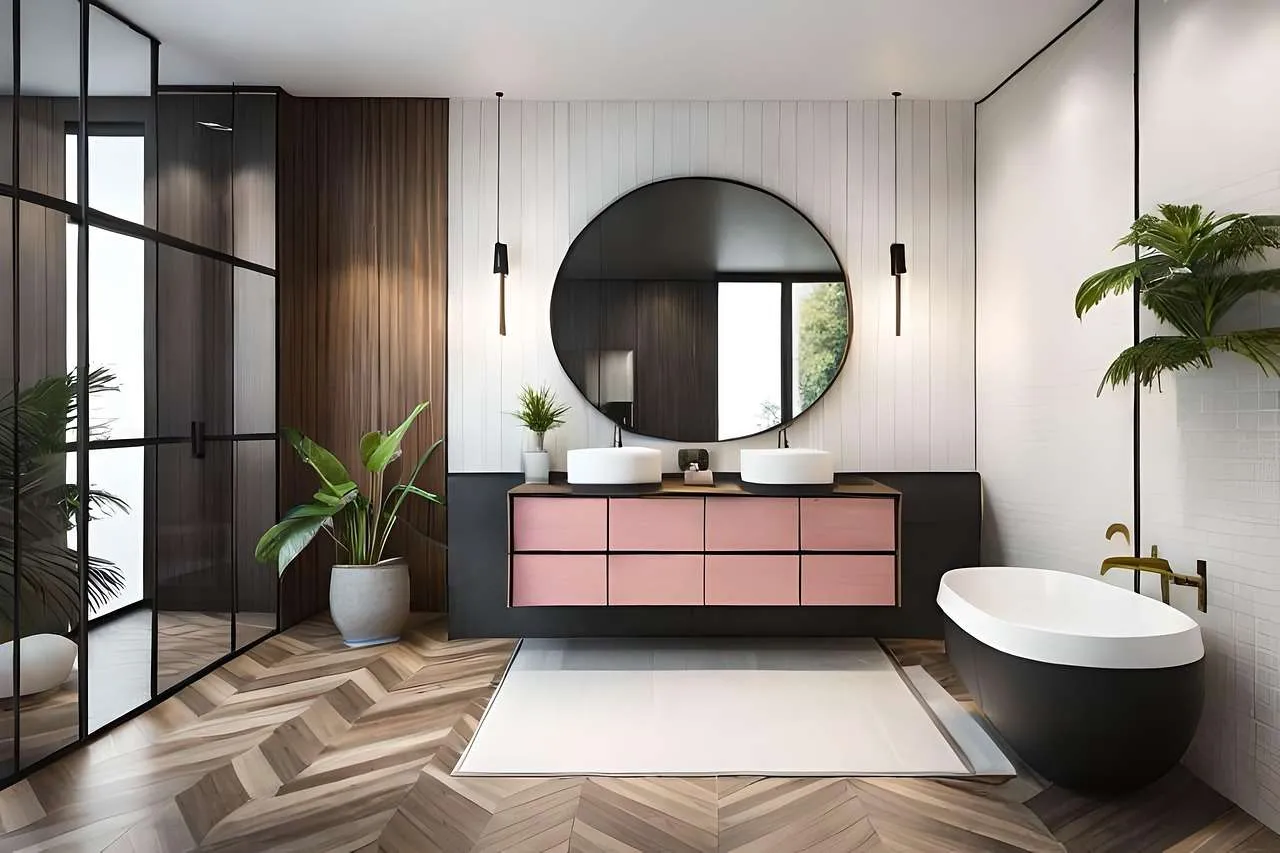
Compact bathrooms are a design puzzle that invites creativity. The goal of small bathroom ideas is to maximize every inch without compromising comfort or style. By combining smart layout choices, storage that hides in plain sight, and light reflecting surfaces, you can transform a cramped room into a serene, functional space.
Principles Behind Effective Small Bathroom Ideas
When you design a small bathroom, think in terms of efficiency, brightness, and simplicity. Start with a light color palette to create an airy feel, then layer practical features that keep clutter at bay. Mirrors, glass, and vertical storage draw the eye upward and away from cramped corners. By prioritizing space-saving geometry, you can achieve a bathroom that looks larger and works better every day.
Layout first
In a compact footprint, layout decisions drive everything. If a traditional reach-in vanity creates a bottleneck, consider a wall hung or corner sink to free floor space. A pocket door or barn door can reclaim width that would otherwise be wasted on a swinging door. If plumbing permits, a corner shower with a frameless glass enclosure visually expands the room more effectively than a bulky tub or shower stall.
Fixtures that fit tiny spaces
Choose compact, wall mounted, or pedestal fixtures that reduce visual mass. A wall hung toilet paired with a slim vanity creates a clean line from floor to ceiling. In shower zones, opt for a recessed niche instead of a freestanding cabinet to store essentials without crowding the space. Consider a trough or vessel sink with a shelving base to combine function with open storage ideas.
Storage Solutions that Make a Difference
Storage is the secret weapon in small bathroom ideas. Use vertical space, recessed niches, and multi-purpose furniture to keep surfaces clear. Medicine cabinets with mirrored fronts double as storage and reflective panels, while shelves placed above the toilet or behind the door can hold towels, toiletries, and cleaning supplies out of sight but within reach.
Smart storage ideas
Install a recessed shower niche to keep bottles off the shower floor and usable space intact. Use over-toilet cabinets or slim carts with wheels that slide into unused corners. For families, a tall cabinet with adjustable shelves adapts as needs change. Don’t forget small drawers or pull-out organizers inside vanity spaces to keep cosmetics and grooming tools orderly.
Color and Lighting to Create the Illusion of Space
Lighter tones reflect more light and visually widen a small room. Matte neutrals with glossy surfaces on tiles or glass amplifies brightness and reduces visual weight. For color accents, choose a single bold hue introduced through towels, accessories, or a tile border. Layer lighting: combine ambient ceiling light with task lighting around the vanity and soft lighting in the shower to soften shadows and create depth.
Lighting ideas
Install wall sconces or a backlit mirror to eliminate dark corners. If possible, introduce natural light with a frosted window or skylight. In the shower, consider a recessed LED panel that remains cool to the touch and provides even, diffuse illumination.
Materials and Surfaces That Help Small Bathrooms Grow
Choose large, seamless tiles with minimal grout lines to reduce visual clutter. Large-format tiles on floors and walls create fewer joints and a cohesive look. Glass shower doors or a clear shower enclosure maintain an open line of sight. For countertops, pick materials that resist moisture and are easy to wipe down, such as quartz or solid surface, which also helps uphold a tidy, low-maintenance environment.
Practical Tips and Budget Considerations
Small bathroom ideas also include planning for maintenance and longevity. Start with a realistic budget and prioritize items that deliver the most impact: reflectivity (mirrors and glass), storage (recessed niches), and fixtures (compact, efficient options). If you are renovating on a budget, phase the project: begin with essential layout changes, then upgrade storage and finishes as funds allow. If you hire professionals, seek a contractor with proven experience in compact bath remodeling to avoid costly mistakes.
Comparison: Key Options for How Small Bathrooms Are Fitted
| Option | Best For | Pros | Cons |
|---|---|---|---|
| Floating vanity with wall hung toilet | Very small spaces | Open floor area; modern look | Requires precise plumbing and sturdy wall support |
| Corner shower with glass enclosure | Shower-focused layouts | Maximizes available floor space; feels larger | Limited tub option |
| Pocket door plus recessed niche | Width-constrained bathrooms | Streamlines entry; keeps essentials in reach | Higher installation complexity |
Maintenance and Longevity
Prioritize materials that resist mold and mildew in damp environments. Keep grout lines minimal and seal surfaces regularly to preserve the crisp look of your small bathroom. Quick daily habits, like wiping down glass and ensuring proper ventilation, extend the life of your finishes and fixtures.
Incorporating these small bathroom ideas can yield a space that feels larger, calmer, and more functional. By balancing layout, storage, lighting, and materials, you create a bathroom that works hard and looks great.
Conclusion, a well-planned small bathroom leverages vertical space, light finishes, and compact fixtures to deliver comfort without crowding. With mindful choices and smart details, you can enjoy a stylish, organized, and efficient bathroom that stands up to daily use.
Summary This article outlined layout optimization, storage solutions, lighting, materials, and budget-friendly approaches to create a functional and stylish small bathroom. Key ideas include wall mounted fixtures, recessed storage, light reflective surfaces, and a cohesive color palette to maximize perceived space while maintaining comfort and practicality.